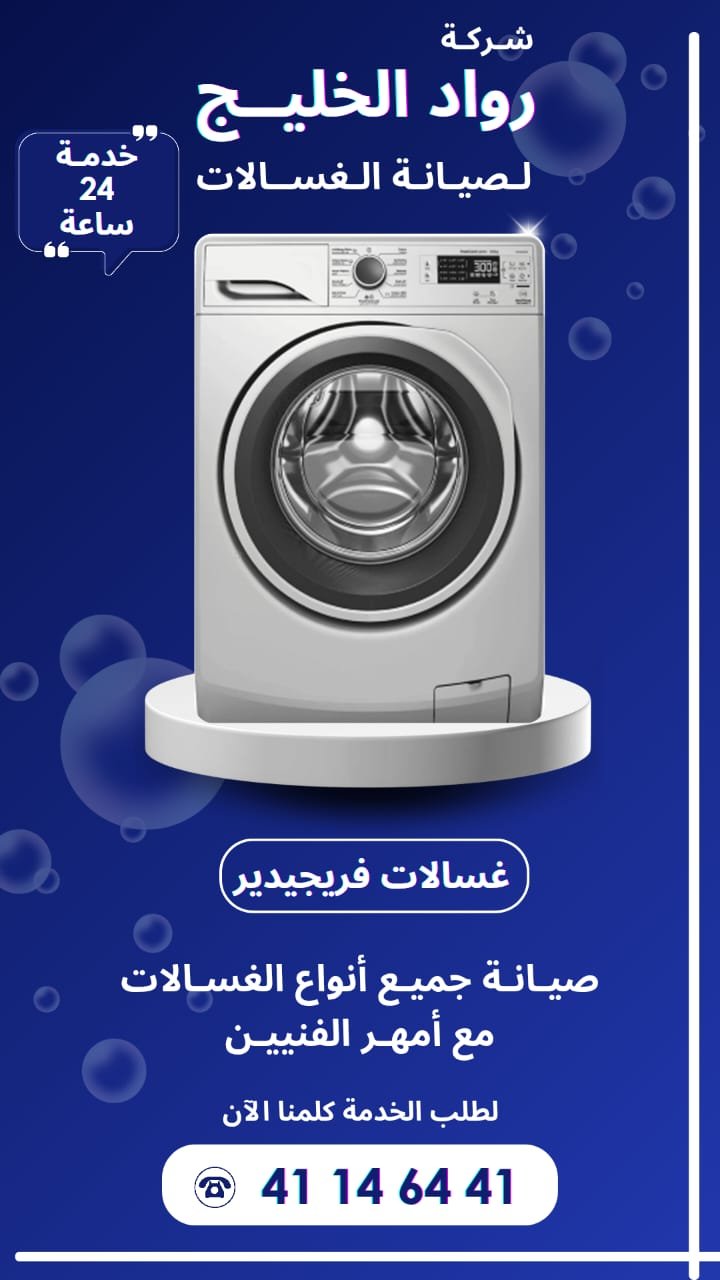
Daewoo Automatic Washing Machine Repair in Mubarak Al-Kabeer – 24-Hour Service
Daewoo washing machines have become an essential part of every household, and with frequent daily use, they require regular care and cleaning to maintain top performance. Most of the problems users face stem from minor hose blockages or dirt buildup inside. That’s why having a Daewoo washing machine repair technician in Mubarak Al-Kabeer is essential to inspect and clean the machine safely in ways that prevent future breakdowns.
Cleaning the Internal Hose of the Daewoo Washing Machine to Prevent Blockages
The internal hose in Daewoo washing machines is responsible for transferring water from the tub to the pump, and it’s one of the parts most prone to clogging due to detergent residue, hair, lint, and sometimes even small coins that accidentally enter with clothes.
When the hose becomes blocked, the washing machine starts draining water slowly or stops draining altogether. The Daewoo washing machine repair technicians in Mubarak Al-Kabeer know exactly how to handle these kinds of malfunctions without damaging the other parts of the machine.
Many people think a hose blockage is a simple issue, but the truth is that it can cause pump failure if it persists for too long, as the pressure inside the pipes increases and the water cannot flow out easily. Therefore, cleaning the internal hose is a key step in any regular Daewoo washing machine maintenance.
Steps Followed by a Technician or an Aware User to Clean the Hose Safely and Correctly
- First step: completely disconnect the washing machine from electricity to protect yourself from any electrical contact.
- Then, close the water tap and disconnect the upper supply hose if it’s close to the internal hose.
- Move the washing machine slightly forward to access the back or bottom area, depending on the model.
- The technician removes the back cover using a special screwdriver to access the hose that connects the tub to the pump.
- Place a container under the hose because some accumulated water will usually drain out.
- Using a special clamp, the technician loosens both ends of the hose and disconnects it from the pump and the tub.
- Next, water pressure or compressed air is passed through the hose to remove any residue or lint.
- If the blockage is strong, the hose is soaked in a vinegar and baking soda solution for half an hour.
- After cleaning, the rubber gasket (O-Ring) is checked to ensure it has no cracks.
- The hose is then reinstalled in its place and the clamps are tightened firmly to prevent leaks.
- The washing machine is run on a drain cycle only (without clothes) to monitor the water flow.
- If the water drains quickly, it means the hose is clean.
- The technician then inspects the pump itself, as sometimes the blockage extends there.
- It’s best to clean the hose every three months, especially if the water contains a high level of limescale.
- Never use metal wires to clean the hose because they can puncture the inner wall.
- If you notice a foul water smell after washing, the cause is usually bacterial buildup inside the hose.
- In that case, run a hot water cycle with vinegar for deep cleaning.
- After every cleaning, always leave the washing machine door open so the interior can dry completely.
- Don’t forget to check the external (drain) hose after the internal one because sometimes the blockage comes from the outside.
- Professional technicians use a small inspection camera to check the hose path without removing it completely.
- If the hose becomes stiff or cracked, the technician replaces it with an original part of the same model.
- Using cheap replacement parts can cause leaks or poor drainage after a short period.
Cleaning the internal hose doesn’t take much time, but it spares you from many future issues like drainage failure or pump clogging. What’s special is that most Daewoo models are designed for easy hose access and cleaning without disassembling the entire washing machine.
Signs That the Internal Hose Needs Immediate Cleaning
- Noticeable slow drainage after washing.
- Water remaining in the tub after the cycle ends.
- Gurgling or popping sounds during drainage.
- Error code “OE” or “E2” appearing on the display.
- A stagnant or foul water smell from inside the tub.
If you notice any of these symptoms, don’t run the washing machine multiple times, as internal pressure can cause leaks or pump damage. It’s best to contact a Daewoo washing machine technician in Mubarak Al-Kabeer to perform professional cleaning and a full inspection at the same time.
Summary:
Cleaning the internal hose of the Daewoo washing machine prevents drainage blockage and extends the life of the pump. Regular cleaning every three months maintains the machine’s efficiency and prevents frequent malfunctions.
Final Note:
Never underestimate slow water drainage or strange sounds during draining — they’re often signs of a minor blockage. Get it cleaned promptly by a qualified technician to ensure safe and smooth operation of your Daewoo washing machine.
Fixing Leaks and Water Problems in Automatic Washing Machines
Water leakage from an automatic washing machine is often a sign of a minor issue if handled quickly, but it can turn into a major problem if neglected. Many customers contact Daewoo washing machine repair technicians in Mubarak Al-Kabeer after noticing unexplained water around or under the washing machine.
Leaks may come from the drain hose, rubber gasket, pump, or even the detergent drawer — each case has its own diagnostic method.
At first, the technician begins by identifying the source of the leak, as that’s the first step toward the solution. If the water comes from the front, the issue is usually with the door or the tub gasket. If it’s from the back, it’s most likely the drain hose or water connection. If it’s from underneath, it’s typically the pump or the tub tank itself.
Since Daewoo washing machines are precisely designed, they include a safety system that prevents internal leaks — but neglect or using unsuitable detergents can disrupt that balance.
Here Are the Key Points the Technician Focuses on When Handling a Leak
- First, disconnect power completely to avoid electrical hazards.
- Then, turn on the tap and check for any external leaks from the hose itself.
- Inspect the detergent drawer, as many leaks come from excessive foam overflow.
- Ensure the drain hose isn’t kinked or overstretched.
- Check the rubber gasket around the door — even small cracks can cause micro-leaks.
- The technician uses a paper towel to locate the exact source of water if the leak is minor.
- If the problem is with the pump, it’s inspected and tested manually for cracks or seepage.
- In some cases, the issue lies in the water inlet valve.
- Damaged parts are replaced only with original components of the same model to prevent circuit damage.
- The technician applies a special silicone adhesive to seal the joints after repair.
- After fixing, a test cycle is run to ensure the leak is completely gone.
- The technician explains to the customer how to notice early signs of leakage in the future.
- Avoid overfilling the detergent drawer because excess foam can overflow from side openings.
- Don’t place the washing machine on an inclined surface as the tilt affects internal water flow.
- Clean the lower filter regularly to prevent excess water buildup inside the pump.
- Some leaks occur due to blocked ventilation openings, which the technician cleans during maintenance.
- If rust or moisture appears around the base, the internal tank is inspected for possible pinholes.
- In some models, the leak comes from the lower tub screws — these are tightened and fitted with new rubber washers.
- A professional technician uses water pressure tools to detect micro-leaks invisible to the naked eye.
- After repair, the entire area is disinfected with a mild solution to prevent mold.
- After every wash cycle, wipe the inner door and rubber area with a dry cloth.
- Never leave water in the tub for long periods — drain it immediately after washing.
- Sometimes the leak isn’t from the machine itself but from plumbing connections, so the entire area must be inspected.
- Certified technicians can replace the pump or hoses in the same visit without delay.
- Even minor leaks waste water and electricity — don’t ignore them.
- Modern Daewoo washing machines include a Water Lock system, but it should be checked annually.
- Avoid using non-original detergents as they cause excess foam and block drainage openings.
- Some users mix vinegar with bleach during cleaning — this is dangerous and causes internal corrosion.
- Run an empty hot-water wash cycle once a month with vinegar to prevent residue buildup.
- Always ensure the washing machine is level on the floor, as vibrations can loosen fittings.
When the technician visits you, they don’t just fix the leak — they inspect all water pathways. Sometimes the issue is deep inside, such as a leak from the pump-to-tub connection, which only becomes visible upon full disassembly. That’s why you should always rely on an expert who knows the full Daewoo washing machine structure in detail.
Summary:
Fixing leaks in a Daewoo washing machine depends on accurately identifying the source of the problem and replacing the damaged part with an original one. Early maintenance prevents pump failure and saves water consumption.
Final Note:
Don’t wait until the leak becomes visible — once you notice even slight dampness under the washing machine, act quickly and call a Daewoo washing machine technician in Mubarak Al-Kabeer to prevent the issue from worsening and to keep both your machine and your home safe. Read more https://kwacservices.com/en
Replacing the Worn Belt to Maintain Operating Efficiency
One of the most common problems that Daewoo washing machine repair technicians in Mubarak Al-Kabeer encounter is a worn or slipping belt. This belt connects the motor to the washing tub — without it, the machine cannot spin properly.
With prolonged use, heat, and humidity, the belt starts to harden, wear out, or sometimes even snap suddenly. The result? The washing machine turns on, but the drum doesn’t rotate, or it spins very slowly.
The signs of a damaged belt are clear to any user who pays attention to the washing machine’s sounds during operation. If you hear squeaking or clicking noises, or if the spin seems slower than usual, the belt most likely needs replacement.
Although it may seem simple, installing a new belt must be done precisely to avoid over-tightening or loosening.
Professional technicians in Daewoo automatic washing machine repair follow exact procedures when inspecting and replacing the belt to ensure the machine’s balance and consistent performance.
Detailed Steps Followed by the Technician
- The first step is always to disconnect the power completely before performing any internal work.
- Move the washing machine to an open space to access the back or bottom cover, depending on the model.
- The technician removes the cover using a special screwdriver to reach the rear pulley.
- The old belt is inspected to check its condition — whether it’s cracked, stretched, or slipped out of place.
- If the belt is damaged or worn out, it’s carefully removed from the pulley and motor.
- Before installing the new one, the technician cleans the pulleys from any oil or dust residue.
- The new belt is installed with the exact original size recommended by the manufacturer.
- It’s tightened evenly to avoid looseness that could cause slippage.
- After installation, the technician manually rotates the drum to ensure smooth movement and no resistance.
- A test wash cycle is then run to observe drum rotation and listen for any unusual sounds.
- If there’s clicking or squeaking, the belt tension or pulley alignment is readjusted.
- The technician may use a special lubrication spray to reduce friction between the belt and pulley.
- The belt should ideally be replaced every 2 to 3 years depending on usage frequency.
- The presence of black dust inside the washing machine is a definite sign of old belt wear.
- A common mistake is using a non-original belt — it wears out quickly and affects motor performance.
- Only certified technicians use original Daewoo spare parts to ensure durability.
- If you smell a slight burning odor during operation, it likely means the belt is deteriorating from heat.
- Don’t run the washing machine after noticing this smell, as it can cause motor damage.
- During each maintenance visit, belt tension is checked as part of the overall inspection routine.
- Over-tightening strains the motor, and looseness causes weak rotation — balance is critical.
- A professional technician adjusts the pulley and fixing bolt with millimetric precision.
- Some newer Daewoo models feature an auto-tension system, but it still requires periodic inspection.
- The new belt needs a short break-in period, and after the first week, tension might need minor adjustment.
- Cleaning the area around the belt from dust is essential because debris accelerates wear.
- After completion, the technician advises the customer to run a light cycle for the first use.
- Do not overload the washing machine on the first day after replacing the belt to maintain operational balance.
- Some issues that users think are motor-related actually turn out to be just a slipping belt.
- A “squealing” sound during spinning often means the belt is rubbing due to partial wear.
- If you notice irregular spinning or sudden drum stops, turn off the washing machine immediately and call the technician.
- Continuous operation with a damaged belt may harm the internal bearing and cost more to repair.
- Therefore, every six months, inspect the back of the washing machine visually for any dust or unusual sound.
- Daewoo repair technicians in Mubarak Al-Kabeer can replace the belt in the same visit and test the operation immediately.
Maintaining the belt is vital because it preserves spinning efficiency, enhances drying speed, and reduces power consumption. If neglected, the washing machine may use twice the energy due to weak connection between the motor and drum.
Summary:
Replacing the belt in a Daewoo washing machine is a simple yet essential procedure. Doing it at the right time ensures balanced operation and prevents motor burnout or drum failure.
Final Note:
Don’t wait until the belt breaks completely — at that point, the repair cost will be higher. Replace it at the first sign of wear by a qualified Daewoo washing machine technician in Mubarak Al-Kabeer so your washer runs efficiently and quietly for years.
Dealing with Error Codes on Daewoo Washing Machine Control Panels
One of the smartest features of Daewoo automatic washing machines is their ability to display clear error codes on the control panel whenever an internal malfunction occurs. These codes help both the user and the technician quickly identify the problem instead of wasting time guessing.
Many users see strange codes like “OE,” “LE,” or “UE” and get confused — some even turn the machine off and leave it. But the truth is that each code has a specific meaning and a clear solution, and understanding it saves a lot of time and effort.
Technicians at Daewoo washing machine repair in Mubarak Al-Kabeer deal with these error codes daily and can determine the exact cause behind each one through brief testing or quick electronic diagnostics.
Here Are the Most Common Error Codes, Their Meanings, and Professional Handling Steps
- OE: The washing machine failed to drain water — usually caused by a clogged drain filter or hose.
- UE: Indicates an unbalanced drum during the spin cycle — redistribute the clothes evenly inside the drum.
- LE: Related to a door lock or latch sensor issue — it might need cleaning or replacement.
- IE: The washing machine isn’t filling with water — caused by low water pressure or a blocked filter.
- E3: Internal motor sensor error — requires specialized technician inspection.
- CL: The child safety lock is activated — simply press two specific buttons simultaneously to deactivate.
- FE: Indicates excess water filling — typically caused by a stuck water inlet valve.
- dE: The door is open or not properly closed — ensure it’s firmly shut before starting a cycle.
- HE: Heating element problem — often related to the heater or temperature sensor.
- tE: Temperature sensor error — needs testing with a multimeter for resistance.
- PE: Pressure sensor fault — must be replaced if damaged.
- E1: Water supply issue or internal tub leak.
The technician always starts with simple checks before disassembling the machine. First, they verify water pressure, then filter cleanliness, and finally inspect the electronic board if the error persists.
Some users can solve minor issues themselves if they understand the code meaning, like cleaning the filter or balancing the load manually.
However, if the codes repeat or multiple codes appear simultaneously, it’s best to call a Daewoo washing machine technician in Mubarak Al-Kabeer, as the issue might be electronic or pump-related.
The technician uses an electronic diagnostic device connected to the main board to read real-time data behind the code. Sometimes the displayed code is a general indicator, while the actual cause is another sensor — which is why field experience is crucial to avoid unnecessary part replacements.
Important Tips for Handling Error Codes
- When you see an error code, disconnect the washing machine from power for 5 minutes.
- Check the user manual that came with your washing machine to identify the exact meaning of the code.
- Don’t attempt to open the machine if the code relates to the pump or control board.
- Make sure the detergent drawer and filter are clean before calling a technician.
- If the “UE” code keeps appearing, reduce the laundry load and rebalance manually.
- If the “OE” code persists, run a drain-only cycle without clothes to observe water flow.
- Some codes disappear after a simple cleaning or reset — don’t panic immediately.
- If the machine suddenly shuts off without displaying a code, it’s likely an electrical or board issue.
- Maintain good ventilation around the washing machine to prevent overheating.
- Use a voltage stabilizer to protect electronic circuits from power fluctuations.
- Never use sharp tools to clean the detergent drawer, as they can damage the water sensor.
- After repair, the technician resets the system and reprograms the control board to clear the code completely.
- If a new code appears after maintenance, the technician checks the board’s internal memory.
- Error codes may differ slightly depending on the model, so you need a specialist familiar with Daewoo models.
- If your washing machine has a digital display, pay attention to when the code appears — some only show during the spin cycle.
- Sometimes, an error code is a temporary heat warning and disappears after cooling.
- Never leave the washing machine running after an error code appears — it might enter protection mode.
- Some technicians use Diagnostic Mode to run a full system test.
- Certified technicians have Daewoo diagnostic software that accurately reads error codes and pinpoints the fault location on the board.
- Ultimately, every code is the washing machine’s way of saying, “Something needs your attention” — don’t ignore it.
Having these error codes is a blessing for users — they prevent major failures before they happen. Instead of the machine breaking down suddenly, it gives you an early warning of a minor issue that needs fixing.
Summary:
Error codes in Daewoo washing machines are a smart diagnostic tool. Understanding and addressing them correctly prevents malfunctions and extends the machine’s life.
Final Note:
If you see recurring or unclear error codes, don’t waste time guessing — stay in touch with a Daewoo washing machine repair technician in Mubarak Al-Kabeer, who can interpret and fix them quickly and efficiently.
Improving Washing Machine Performance with Practical Tips from Maintenance Experts
The washing machine is one of the most used appliances at home. Every wash cycle consumes electricity, water, and effort from the internal components. However, many users don’t know that there are simple steps that can enhance the machine’s performance and maintain its efficiency for many years without malfunctions.
Daewoo washing machine repair experts in Mubarak Al-Kabeer always advise their customers to follow specific practices during operation so the washing machine runs at maximum efficiency with minimal energy use.
Each Daewoo model has its own special programs, but the basic principles are the same. Here’s a collection of field-tested tips that have proven effective in improving performance and reducing malfunctions:
- Do not overload the drum beyond 70% of its capacity, as excess load prevents proper water and detergent circulation.
- Use the appropriate amount of detergent based on the laundry type and water quality, as excess causes too much foam that reduces cleaning efficiency and affects sensors.
- Clean the detergent drawer weekly with warm water, as residue buildup blocks the detergent flow to the drum.
- Choose the right wash program for the fabric type — cotton differs from wool or synthetics.
- Use the “Eco” or “Energy Saving” cycle if your machine provides it to reduce electricity and water consumption.
- Clean the lower filter once a month since it collects lint and debris that block drainage.
- Avoid always using hot water, as excessive heat weakens rubber seals and reduces heater lifespan.
- Reduce long spin cycles unless necessary — they strain the motor and belt.
- Open the washing machine door after each wash to air it out and prevent mold.
- Run a self-cleaning cycle once a month using vinegar or Daewoo’s special cleaning solution.
- Listen carefully during operation — any new noise means a part might need inspection.
- Don’t wash carpets or heavy blankets in home washing machines — they overload the drum and motor.
- Ensure the washing machine stands on a completely stable and level surface to reduce vibration.
- Don’t use hard or salty water without a filter — it causes mineral buildup inside the heater and pipes.
- Always check the detergent drawer during operation; if water accumulates, it likely means a partial blockage that needs cleaning.
- Use a voltage stabilizer to protect the electronic board from sudden power fluctuations.
- Don’t leave the washing machine on standby after a wash — unplug it after every cycle.
- Clean the rear drain hose twice a year to prevent dirt accumulation.
- Reduce the use of chemical fabric softeners — they leave sticky residue on the drum.
- Monitor water level during operation; if it’s lower than usual, the filter or sensor might need cleaning.
- Don’t always use the quick wash cycle; it’s only for light clothes.
- Remove coins and metal buttons from pockets before washing — they can cause internal sparks.
- Run the washing machine during times of stable power supply (not during peak hours).
- If you have children, activate the “Child Lock” feature for safety.
- Replace the water hose every two years even if it looks fine — it weakens over time from pressure.
- If clothes come out less clean than before, try cleaning the drum with vinegar and baking soda.
- Never use more than one detergent type at the same time — chemical reaction causes excessive foam.
- Reduce daily washing cycles and allow at least two hours of rest between washes.
- Technicians recommend running an empty water cycle monthly to clean internal pipes.
- If your washing machine has a “Delay Timer” feature, use it to wash during low power demand hours.
- Don’t open the door while operating, even if the washing machine pauses temporarily.
- Ensure proper ventilation around the machine — don’t place it inside a closed cabinet or damp area.
- If your washing machine has a drying function, clean the rear air vent periodically.
- Follow your specific Daewoo model’s user manual since details may vary slightly.
- If you notice slower spinning or weak drying, don’t postpone inspection — the cause might be as simple as the belt or motor.
- Don’t use the washing machine for non-laundry items like shoes or rubber mats.
- If you notice strong vibration during spinning, reduce the number of heavy items or check the rubber legs.
- Finally, don’t wait for breakdowns to perform maintenance — make it a routine every six months for preventive inspection.
These tips aren’t just talk — they’re based on years of field experience from specialized technicians who know how to keep washing machines running at their best.
Summary:
Improving Daewoo washing machine performance depends on smart usage and regular cleaning. Following simple maintenance tips saves electricity and water, gives cleaner clothes, and extends your machine’s lifespan.
Final Note:
Your washing machine serves you as much as you care for it. A simple periodic check and cleaning routine will help you enjoy perfect performance without annoying malfunctions.
And always remember — Daewoo washing machine technicians in Mubarak Al-Kabeer are ready to assist you professionally whenever you need.
Regular Maintenance to Extend the Lifespan of Daewoo Washing Machines
A washing machine, like any other electrical appliance, depends on regular maintenance for longevity. Many people think a washing machine only needs repairs when it breaks down, but the truth is that preventive maintenance ensures it runs efficiently for many years.
Technicians from Daewoo washing machine repair in Mubarak Al-Kabeer confirm that 70% of the malfunctions they encounter could have been avoided if basic periodic maintenance had been performed.
Regular maintenance doesn’t mean dismantling the machine or doing complex tasks — most steps are simple and can be done by you or a technician every six months. The goal is to ensure every component works in harmony — from the pump, to the belt, to the filter, and even the control board.
Key Points Included in Preventive Maintenance for Daewoo Washing Machines
- Clean the lower filter at least once every two months to remove lint and detergent residue.
- Check the drain and water supply hoses for leaks or bends.
- Wipe the rubber gasket around the door after every wash to prevent mold and moisture buildup.
- Run a self-cleaning hot water cycle with vinegar once a month to remove internal residue.
- Inspect the washing machine belt for proper tension — looseness causes weak rotation.
- Ensure the washing machine is on a stable surface, as constant tilting stresses the lower bearing.
- Check the internal pump once a year to confirm there are no internal obstructions.
- Clean the detergent drawer weekly since buildup can block the water path.
- Verify the water level sensor is working correctly to prevent overfilling.
- Use a voltage stabilizer to protect electronic circuits from power fluctuations.
- Inspect the power cable and plug for any damage or unusual heat.
- Replace the water hose every two years even if no visible leak exists.
- Clean the drum interior periodically with a soft cloth and warm vinegar water.
- Make sure the rear vent is clean to prevent motor overheating.
- Check the washing machine base for rust or standing water.
- Avoid operating the machine during peak power hours to reduce load.
- Inspect and tighten lower screws and bolts if they’re loose.
- Request a full annual inspection from a Daewoo technician in Mubarak Al-Kabeer to ensure internal safety.
- Clean optical sensors (door or water sensor) gently with a cotton swab.
- Update the machine software on newer models when a new version is available.
- Remove any limescale buildup from the heater using special descaling products.
- Check the drain hose after every large wash since blockages start gradually.
- Use only Daewoo-approved detergents instead of commercial types.
- Avoid overloading the washing machine, as it damages the motor and belt.
- Ensure the door hinges are tight — loose hinges can cause minor leaks.
- Test the heater’s temperature sensor every six months, especially if your water has high mineral content.
- If you hear unfamiliar noises, don’t ignore them — let the technician inspect immediately.
- Never leave water in the tub after washing — drain it to prevent odor.
- Clean the surrounding area of the washing machine regularly to avoid dust buildup.
- If connected to a floor drain, ensure the outlet is clean.
- Use low spin cycles for delicate fabrics to reduce motor load.
- Inspect the timer or electronic control for program accuracy.
- During maintenance, the technician checks the circuit board and capacitor condition.
- The motor output current is measured to confirm it’s within normal range.
- Cleaning the internal pump filter (if present) prevents sudden clogging.
- The technician may recommend replacing parts nearing their lifespan even before they fail.
- Some parts like seals and valves wear out due to heat and humidity and need periodic replacement.
- It’s advisable to keep a basic voltage meter at home to check power stability.
- If the washing machine won’t be used for a long time, unplug it and leave the door open for ventilation.
- Remember — regular maintenance saves energy and reduces unexpected breakdowns.
Every preventive check saves you costly repairs later. Many customers notice that after applying a periodic maintenance schedule, their washing machine runs more quietly and lasts significantly longer.
Summary:
Regular maintenance of Daewoo washing machines ensures stable performance and significantly reduces breakdowns. Continuous inspection and cleaning keep the machine efficient and energy-saving.
Final Note:
Always stay vigilant about your Daewoo washing machine’s condition — simple maintenance today prevents expensive repairs tomorrow. And remember, Daewoo repair technicians in Mubarak Al-Kabeer are available 24/7 to provide preventive and emergency maintenance with expertise and safety.
In Conclusion
Daewoo washing machines are known for their strength and efficiency, but even top-quality appliances need continuous care to maintain peak performance. Regular maintenance and cleaning protect you from unexpected malfunctions and save repair costs.
If you ever face an unexpected issue, don’t hesitate to contact a Daewoo washing machine repair technician in Mubarak Al-Kabeer, who can quickly diagnose and fix the problem safely, ensuring your comfort and excellent washing results every time.
Frequently Asked Questions (FAQs)
Q: What causes water leakage from a Daewoo washing machine?
A: The most common causes are the rubber gasket or drain hose, and they can be easily fixed after inspection by a professional technician.
Q: When should I clean my Daewoo washing machine filter?
A: Preferably every two months, especially if you use it daily or if the water has high mineral content.
Q: My washing machine makes loud noise during spinning — what’s the reason?
A: It’s usually due to the belt or drum imbalance; it needs a quick inspection by a technician.
Q: What does error code “OE” mean?
A: It means the washing machine is not draining water, usually because of a clogged filter or hose.
Q: How can I keep my washing machine running for a long time?
A: Clean it regularly, don’t overload it, and always use detergent made specifically for automatic washing machines.
Keywords
- Daewoo washing machine repair Mubarak Al-Kabeer
- Daewoo washing machine technician Mubarak Al-Kabeer
- Daewoo automatic washing machine maintenance
- Cleaning Daewoo washing machine internal hose
- Fixing Daewoo washing machine leaks
- Inspecting Daewoo washing machine belt
- Handling Daewoo washing machine error codes
- Improving Daewoo washing machine performance
- Regular Daewoo washing machine maintenance
- Replacing original Daewoo washing machine spare parts
- Daewoo washing machine technician Kuwait
- Cleaning Daewoo washing machine drum
- Inspecting Daewoo washing machine control panel
- Solving washing machine leakage problem
- Checking Daewoo washing machine pump
- Daewoo washing machine technician tips
- Daewoo washing machine repair center Mubarak Al-Kabeer
- Daewoo washing machine repair 24-hour service
- Preserving Daewoo washing machine lifespan
- Daewoo automatic washing machine malfunctions