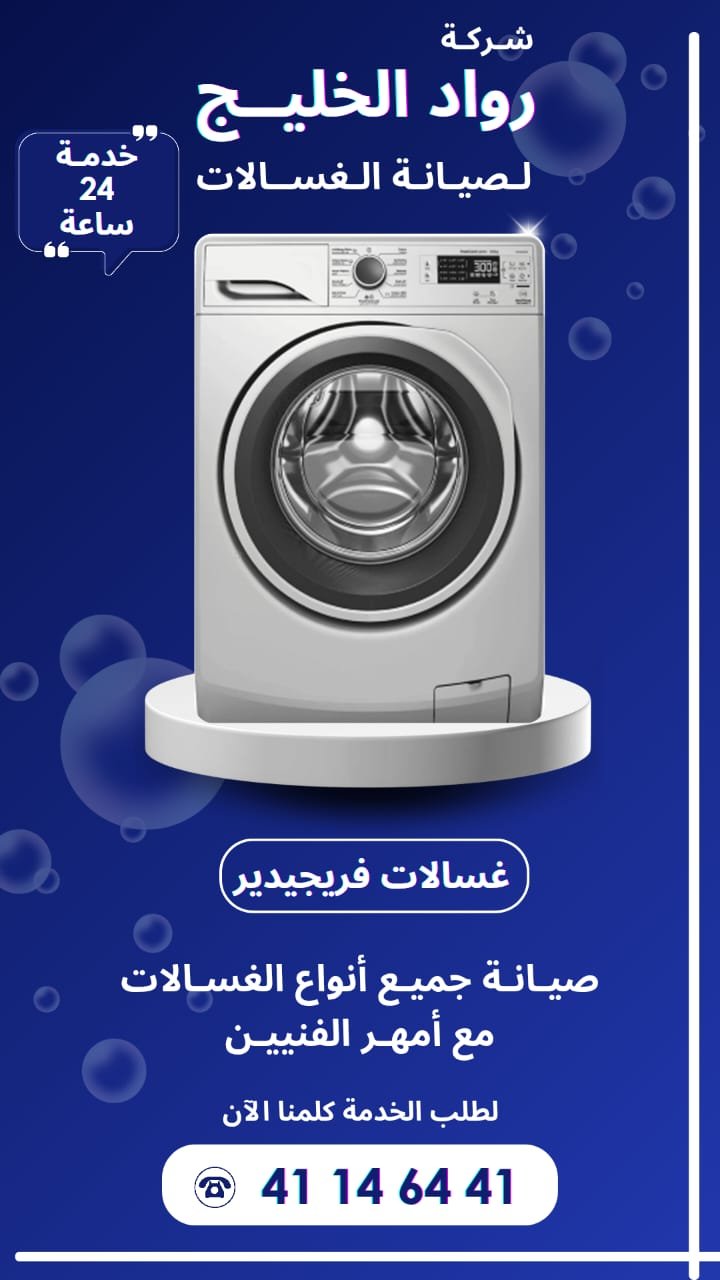
Candy Washing Machine Repair – 24-Hour Service
Candy washing machines are known for their performance and efficiency in cleaning clothes, which makes them a preferred choice for many households. However, with frequent use, some problems may arise related to the spin system, water leakage, and others. This is where maintenance and repair come in to ensure the machine continues working efficiently and without unexpected breakdowns.
Key Spin Cycle Malfunctions in Candy Washing Machines
The spin system in Candy washing machines is a crucial part of the washing efficiency, as it is responsible for removing the maximum amount of water from clothes after the wash cycle. However, due to overuse or technical or electrical issues, users may encounter problems related to this system, such as weak spinning or a complete halt. These problems require accurate diagnosis by a specialized Candy washing machine technician because neglecting them leads to water accumulation in clothes, delayed drying, and even damage to some internal components of the washer. The causes of spin system malfunctions vary between mechanical and electronic faults or even result from misuse or overloading. Therefore, it is important to understand the main causes of these issues and deal with them quickly to prevent them from worsening.
- Spin sensor damage due to wiring or excessive moisture inside the machine.
- Broken motor wires leading to a complete stop in the spinning process.
- Overloading the washing machine affects the drum balance and prevents proper spinning.
- Fault in the belt responsible for rotating the drum during the spin cycle.
- Clogged drain filter causing water to remain and stopping the spin cycle.
- Faulty drain valve preventing complete water discharge.
- A crack in the inner tub causes imbalance during rotation.
- Malfunctioning electronic timer or control board halts the spin cycle operation.
- Using incorrect programs that do not support efficient spinning.
- Foreign objects or coins entering the drum causing mechanical failure.
Each of these problems could be the reason why the spin system isn't functioning properly, and some people may think the entire machine is broken when the issue is partial and may only need simple maintenance, like replacing the belt or checking the sensor. That's why having a Candy washing machine service center that provides accurate diagnosis and uses original spare parts ensures your washer returns to working at its highest efficiency. Many technicians confirm that spin cycle failures are often due to misuse or imbalance in clothes distribution inside the drum—especially if the machine is old or used heavily on a daily basis. Even selecting the wrong wash program may result in weak spinning, as some programs operate at a lower spin speed. Also, it is essential to ensure that the washing machine is placed on a level floor, as tilting causes vibrations that either stop the spinning or reduce its effectiveness. Some people rely on unauthorized technicians who use non-original parts, which may temporarily fix the problem, but it will come back soon after. That’s why relying on an authorized service center that provides a repair warranty and checks all parts of the machine thoroughly is crucial.
Paragraph Summary:
Spin cycle malfunctions in Candy washing machines are varied and often result from mechanical issues like a damaged belt or faulty sensor or from incorrect usage, like overloading or using unsuitable programs. Quick diagnosis by a professional automatic washing machine technician is the best solution to avoid further damage to the machine’s components.
Closing Note:
If you notice your machine is spinning slowly or not spinning at all, don’t let the problem escalate—contact a Candy washing machine technician as soon as possible to maintain your device’s lifespan and wash quality.
When to Replace the Electronic Control Board
The electronic control board is considered the brain of Candy washing machines. It is responsible for receiving and executing washing commands such as selecting the program, determining the temperature, activating the spin cycle, and even controlling water level and timing. Over time and with daily or irregular usage, the control board may begin to exhibit issues that directly affect the machine's performance—such as unexpected program stops, unresponsive buttons, or unfamiliar error codes. Some may assume the malfunction is minor or temporary, but in reality, it may be a sign that the board is failing and needs replacement. To avoid higher repair costs later, you should be aware of the signs that indicate it's time to replace the electronic control board in your Candy washing machine.
- The washer turns on but does not respond when changing the program.
- Sudden stoppage during the wash cycle without a visible mechanical issue.
- Frequent appearance of error codes (E01, E07, etc.).
- Random on/off behavior of the indicator lights or digital screen.
- Some buttons work while others are completely unresponsive.
- Clicking sounds or sparks from the control board when turned on.
- The washer starts a program properly but always stops at a specific stage.
- Burn marks or a slight burning smell around the control panel.
- Changing behavior of the washer when selecting the same program repeatedly.
- The machine doesn’t turn on at all despite functioning power and cords.
These signs clearly indicate that the control board may be damaged or about to completely fail. Of course, not every malfunction means the board is faulty—sometimes the issue lies in the power supply, wiring, or even a single button. That’s where a qualified technician comes in, using specialized measurement tools to test the board itself. If it's confirmed that the fault is within the board, it’s recommended to replace it immediately with an original part from an authorized Candy service center. Using counterfeit or refurbished boards can cause further issues like damage to the motor or the programmer. Some users try to repair the board at general electronics workshops, but this is risky, as any error in soldering delicate components can cause permanent damage to the washer. The best option is to have the repair done at a Candy-specific service center, ensuring that all replaced parts are original and compatible with your model.
Also, using the washing machine in a highly humid environment or without proper ventilation can accelerate the control board’s deterioration due to moisture and steam buildup inside the machine. Therefore, always place the washer in a dry location, and never operate it if there’s internal leakage, as water can reach the control board and damage it in seconds. If you notice your washer shutting down suddenly or acting strangely, don’t wait for the problem to grow—contact a Candy specialist technician to inspect and determine whether the board needs replacement.
Paragraph Summary:
The electronic control board governs all operations of the Candy washing machine. Any defect in it presents as interrupted programs, unresponsive buttons, or recurring error messages. In such cases, replacing the original board through a certified service center is the best solution.
Closing Note:
If you feel your washer's behavior suddenly changes or error codes appear without an obvious cause—don’t take the risk. Have the control board checked immediately to avoid further damage to other components.
How to Deal with Water Leakage in Candy Washing Machines
Water leakage from Candy washing machines is one of the most annoying issues. It doesn’t only affect the machine’s performance—it also poses a threat to the floor and increases the risk of dangerous electrical short circuits. Some users notice water under the machine after the cycle ends or during operation, while others experience constant dampness around the device. Sometimes the issue is simple, like a clogged drain hose, and other times it’s complex, such as a cracked inner tub or a damaged rubber gasket. Understanding the causes of leaks and how to handle them properly can save a lot of time and money while preventing further damage to other parts of the appliance.
- Leakage from the drain hose due to cracks or improper installation.
- Overflow from the detergent drawer due to soap residue buildup and lack of cleaning.
- Damaged door gasket due to scaling or excessive pulling when closing.
- Cracked inner tub caused by strong cleaning agents or impacts.
- Loose or damaged hose connections (inlet or outlet).
- Water pump defect leading to minor leaks during operation.
- Leakage from the main water inlet valve during filling.
- Blocked pump filter causing water accumulation and leakage.
- Faulty body assembly or loose screws.
- Rust on the bottom of the machine causing slow and invisible drainage.
Most of these causes can be easily repaired if detected early. For instance, a leaking drain hose just needs replacement or proper tightening, and regular cleaning of the detergent drawer prevents water overflow. But if the problem lies in the inner tub or pump, professional intervention from an authorized Candy service center is needed, as opening the tub or replacing the pump requires special tools and expertise. Many technicians advise against trying to repair large leaks at home, as it could lead to more damage or void the warranty.
It’s also important to check the washer regularly for unexplained dampness around it, especially after a wash cycle. Any unusual noise or persistent humidity smell could be a sign of an internal leak. Operating the washer on an uneven or tilted floor can cause vibrations that loosen components over time, so ensuring the machine is properly installed is crucial. If you observe continuous leaks despite cleaning and inspection, you likely need to replace the door gasket or check the structure from underneath.
Because Candy washing machines use precise technology, any water leak can affect the control board or electrical connections—making the problem more dangerous than just a simple leak. Therefore, never ignore even a small drop of water you notice. Consult a specialized automatic washing machine technician immediately. Delay may lead to complete appliance failure or costly component replacements like the motor or control board.
Paragraph Summary:
Water leakage in Candy washers can result from damaged hoses, door gaskets, or internal pump faults. Regular inspections, proper cleaning, and relying on expert technicians for persistent problems are the best ways to prevent major damage.
Closing Note:
If you notice even a small puddle around your washer—don’t ignore it. Quick action and proper inspection will save you from greater damage and extend your washing machine’s life.
Tips to Extend the Lifespan of the Motor and Maintain Its Efficiency
The motor in a Candy washing machine is considered the heart of the appliance, as it is responsible for driving the drum during washing and spinning stages. Although Candy washing machine motors are known for their power and efficiency, improper usage or neglecting small maintenance details can shorten their lifespan or cause complete failure. To maintain motor efficiency and ensure it serves for the longest period possible, you must follow a set of daily and preventive tips recommended by technicians and maintenance experts.
- Do not overload the washing machine beyond the permitted capacity.
- Select the appropriate spin program for the fabric type to reduce pressure on the motor.
- Ensure the washer is placed on a level surface to avoid excessive vibrations.
- Do not run the washer continuously without enough time intervals between each cycle.
- Monitor the machine's sound during operation—any unusual noise could indicate an early motor issue.
- Clean the filter regularly to reduce strain on the pump and, consequently, on the motor cycle.
- Do not operate the washer if there is any water leakage, as it could reach the motor and cause electrical short circuits.
- Make sure the belt is not loose or overly tight, as it directly affects motor performance.
- Do not use unsuitable laundry detergent, as excess foam can affect internal components.
- Have the motor checked periodically through a maintenance program by an authorized center.
These simple tips greatly help reduce motor-related issues, such as coil burning, reduced torque, or the drum not spinning. Many faults stem from excessive use without considering rest periods between cycles or using incorrect programs for the type of laundry. For example, using a high-speed spin program for lightweight clothes puts unnecessary stress on the motor.
Also, the environment where the washer operates affects the motor—such as high humidity or extreme heat in the laundry room. It's always better to place the machine in a dry, well-ventilated area. If you notice the washer is slow or the drum doesn’t spin efficiently, don’t wait for a total breakdown. Contact a Candy automatic washer technician who can check the motor and confirm if there's a minor issue that can be addressed before it becomes severe.
Some technicians use current-measuring tools during operation to detect abnormal electrical consumption, which is an excellent way to detect motor weakness before it turns into a complete failure. If the motor does need replacement, ensure you use an original part compatible with your washer’s model, as counterfeit parts are often weaker and consume more energy.
Any motor issue should never be ignored or repaired without experience, as it's connected to important electrical components like the board, belt, and capacitor. A simple error can lead to more serious problems. That’s why regular maintenance remains the most important factor in protecting the motor and ensuring smooth operation of the washer.
Paragraph Summary:
The motor is the most critical component in a Candy washing machine, and protecting it involves avoiding overload, choosing suitable programs, and ensuring regular inspections and maintenance by a trusted professional.
Closing Note:
Listen to the washer's sound, monitor its performance, and stay committed to maintenance—because a motor failure is no small matter and requires immediate action before it becomes costly.
Common Candy Washing Machine Malfunctions Due to Misuse
Many Candy washing machine users face recurring problems without realizing that the main reason is improper use of the appliance. Although the washer is designed to withstand daily use, it has certain limits, and exceeding them leads to issues one after another. The problem is not just in operating the machine, but also in selecting the program, the amount of laundry, the detergent type, and even how the door is closed. Many faults that require a technician visit could have been easily avoided if users knew the basics of washer usage.
- Choosing an unsuitable program for the fabric type causes fabric damage or overloads the motor.
- Using non-automatic washing machine detergent leads to excess foam and damages the sensitive board.
- Running the washer with loads above the permitted weight causes belt damage, weak spinning, or drum failure.
- Leaving the washer closed after the cycle leads to permanent moisture and mold growth in the rubber gasket.
- Pulling out the detergent drawer forcefully or not cleaning it causes water flow blockage and damages the internal spray nozzles.
- Not cleaning the filter leads to clogs and pump damage.
- Operating the washer with unstable power supply without a voltage stabilizer may burn the control board.
- Leaving laundry in the drum for long after washing causes bad odors and affects the drum.
- Slamming the door may break the locking latch or damage the sensor.
- Using very hot water in programs that don’t require it affects internal rubber components.
These issues are extremely common, and most technicians encounter them daily in Kuwaiti homes—especially when usage is random or the instruction manual is not followed. The problem is not the washer’s quality—Candy is a reputable brand—but how it is used. For example, many users call technicians saying the washer suddenly stopped working, and upon inspection, it turns out the machine was being used for over four continuous cycles without rest. Or they used a weak electrical cable that couldn’t handle the power draw, leading to board problems.
Another common mistake is cleaning the inner drum with strong chemicals or sharp tools, which may scratch or corrode the inner surface over time. It’s best to use cleaners designed for automatic washing machines and avoid any action that could damage internal parts. Sometimes people use fast programs for all types of laundry to save time, but this overworks the machine unnecessarily.
Washer operation should be handled with caution and awareness, as repairs are not always simple or cheap. Some faults, like board burnout or motor failure, are costly—and could’ve been avoided from the start. Therefore, it’s better to adopt healthy usage habits, like cleaning the filter weekly, keeping the door open for ventilation, and selecting the correct programs based on laundry type and weight.
Paragraph Summary:
Most faults in Candy washing machines result from misuse—such as overloading, choosing the wrong programs, and skipping regular cleaning. Being aware of the washer’s nature and using it correctly protects against frequent breakdowns and high repair costs.
Closing Note:
If you use your washing machine wisely, it will serve you for years without trouble. Monitor your operating habits, avoid common mistakes, and you’ll notice the difference in performance.
Best Daily Practices to Care for Your Candy Washing Machine
If you truly want to preserve your Candy washer and keep it running efficiently for many years, it starts with daily care. You don’t need to wait for a problem or breakdown to act. With a few simple and quick steps you can do every day or after each wash, you’ll ensure your machine operates smoothly without hassle or costly repairs. These practices reduce pressure on internal parts and prevent buildup of dirt or residues that cause damage over time.
- Open the washer door after each cycle to dry the drum and prevent mold formation.
- Wipe the door gasket from the inside with a dry cloth, especially if you notice moisture or dirt.
- Do not leave clothes inside the washer after the cycle—remove them immediately.
- Wipe the detergent drawer after each use to prevent powder or liquid buildup.
- Check the filter at least once a week and clean it if you find debris or lint.
- Avoid overloading the washer—stick to the recommended weight.
- Don’t use hot water in every cycle unless needed for specific laundry.
- Inspect the back hose and ensure there are no leaks or kinks.
- Don’t press buttons forcefully or repeatedly—the control panel is sensitive.
- Use only suitable powders or liquids designed for automatic washing machines.
These steps don’t take much time but have a huge impact on your washer’s performance. For example, always opening the door after each wash prevents moisture from remaining inside the drum, which extends the life of the gasket and rubber parts. Regular cleaning of the drawer prevents water flow blockage, saving you from having to dismantle the machine or call a technician for a simple issue.
Smart practices also include running a self-cleaning cycle once a month using washing machine cleaners. This helps remove limescale and grease buildup inside the pipes and drum. Some people don’t know that the machine needs cleaning even when not washing clothes—but internally, it handles water, detergent, lint, and various debris.
Another important tip is to avoid using the same program every time. Instead, switch between programs as needed, since each one is designed to work with certain efficiency levels and targets specific types of laundry. Repeatedly using a heavy-duty program for light clothes stresses the machine unnecessarily.
If you travel or are often away from home, don’t leave the washer connected to power and water. Unplug it to avoid any sudden electrical or water issues that may damage the space.
The more you care for your washer daily, the lower the chances of sudden breakdowns. Remember, no matter how good the device is, it still needs care like any other household appliance. Neglecting simple maintenance leads to complications or expensive repairs in the end.
Paragraph Summary:
Daily care for your Candy washer involves simple steps like airing the drum, cleaning the gasket and filter, and using proper programs. These practices protect against faults and extend the life of your appliance.
Closing Note:
You don’t need to be an expert to maintain your washer—just a little daily attention guarantees excellent performance and long-term peace of mind.
Conclusion
Candy washing machines are among the best home appliances when properly maintained and used correctly. Faults are inevitable, but swift action reduces damage and cuts costs. If you notice any performance issues or strange noises, don’t hesitate to contact a specialist technician. Choosing an authorized service center guarantees safe service and long-lasting results.
Frequently Asked Questions (FAQs)
What are the most common Candy washing machine faults?
Spin system failures, water leaks, or poor performance due to misuse are the most common.
Can I repair my Candy washer myself?
You can handle minor faults yourself, but it’s best to call a technician to avoid further damage.
How long does the repair process usually take?
It depends on the type of fault, but most repairs are completed on the same day.
Do you provide original spare parts for Candy washers?
Yes, all parts used are original, guaranteed, and perfectly match the washer model.
Can I request emergency service at any time?
Absolutely—24/7 service is available in all areas of Kuwait.
Keywords
- Candy washing machine repair
- Automatic washing machine technician
- Candy washer maintenance
- Spin cycle problems
- Washing machine water leak
- Candy washer control panel
- Washer filter cleaning
- Weak motor in washer
- Washer not spinning
- Candy washer faults
- Authorized service center
- Washer not drawing water
- Washer not draining water
- Loud noise during spinning
- Bad smell in the washer
- Washer usage guide
- Avoid washer damage
- Washer operation tips