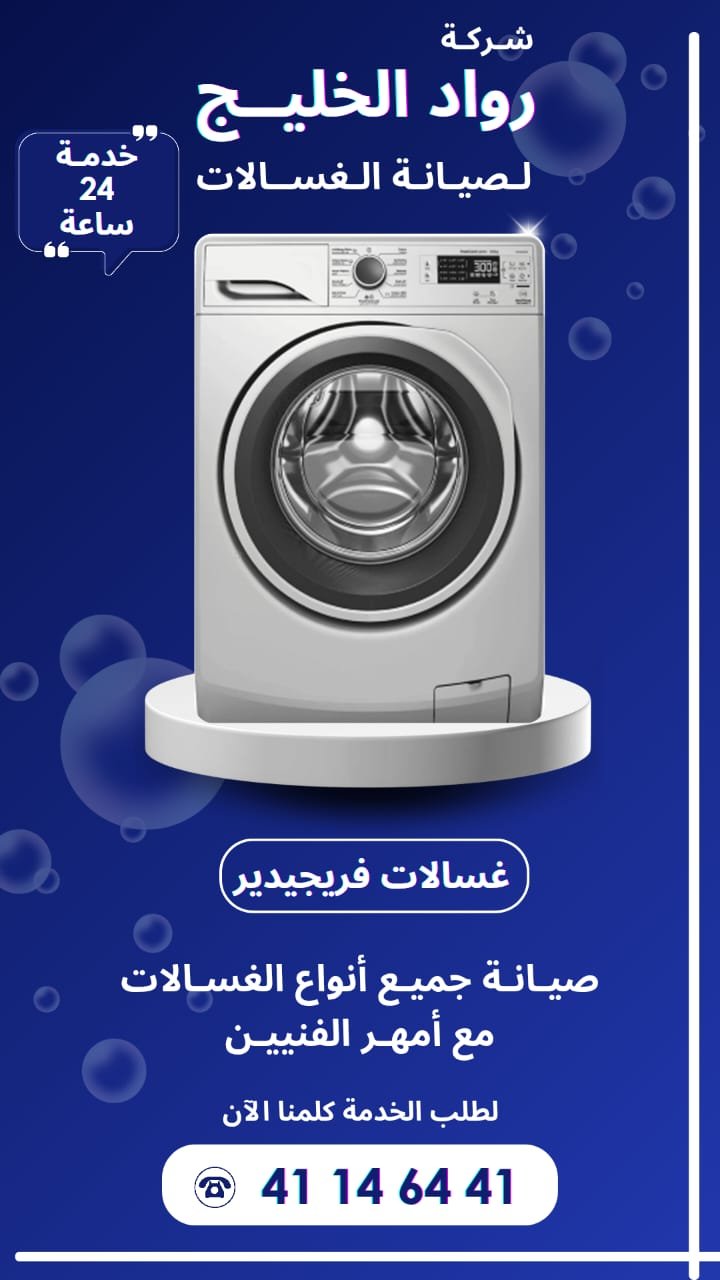
Candy Dryer Repair – 24-Hour Service
Candy dryers are essential appliances in every home, especially when the family is large or laundry piles up. With frequent use, issues like a weak heater or the machine suddenly stopping can appear. In such cases, having a Candy dryer repair technician available 24/7 provides comfort and peace of mind, as the problem will be solved quickly without disrupting your daily routine.
Common Candy Dryer Problems – Especially Weak Heating
Candy dryers are known for their good performance and high efficiency. However, like any electrical device, they may face unexpected problems over time. One of the most annoying issues users face is a weak heater, which directly affects drying efficiency. When the dryer doesn't heat sufficiently, clothes come out damp even after the cycle ends. This leads to repeated use, wasting electricity with no benefit. Many customers think it's a simple issue, but in reality, heater weakness could result from several technical causes requiring a specialized technician's intervention for proper repair.
Possible causes of weak heating:
- Dust accumulation inside the air duct impedes hot airflow and reduces heating efficiency.
- Damage or weakness in the internal heater itself reduces the temperature needed for drying.
- Faulty temperature sensor causes the heater to shut off before reaching adequate heat.
- Partial disconnection in internal electrical wiring results in power loss to the heater.
- Faulty timer or electronic board disrupts the heater’s timing.
- Problems with ventilation openings or clogged filters lead to overheating and automatic heater shutdown.
- Using unsuitable drying programs or settings for the load type produces ineffective results.
- Weak or unstable power supply, especially if the dryer is connected to an improper outlet.
- Non-original spare parts may cause faulty connections or incompatibility.
- Neglecting regular maintenance leads to gradual heater and overall dryer performance decline.
Each of these issues can cause heating problems, and each case requires a different inspection and diagnosis method. For instance, if the sensor is the issue, the dryer runs but stops early before reaching the needed temperature. On the other hand, if the heater is broken, you won’t feel any heat even though the machine appears to function normally.
A common mistake users make is running the dryer multiple times in a row without giving it a break. This overworks the heater and causes it to fail faster. The heater needs a short cooling period between cycles to function properly.
Also, one symptom of heater problems is when the dryer emits a burning smell or leaves scorch marks on clothes. This indicates the heater is running irregularly or overheating. In such cases, the sensor and its wiring must be checked immediately.
To avoid these problems, it's best to call a Candy dryer technician at the first sign of heating weakness. A professional technician can use accurate diagnostic tools to locate the fault and replace the damaged part with a guaranteed original one, protecting the device and extending its lifespan.
If the issue is due to a blocked air duct, the technician will disassemble the unit and clean the ducts and filters thoroughly, restoring ventilation and drying efficiency without part replacement. Professional cleaning reaches areas hands can't access, unlike surface-level cleaning.
Summary:
Weak heating in Candy dryers can be caused by various issues such as dust buildup, sensor malfunction, or heater damage. Accurate diagnosis by a specialist is essential to restore normal performance.
Final Note:
If you notice your Candy dryer isn’t heating like it used to or clothes are still wet after each cycle, don’t wait until the issue worsens. Contact a certified repair center to inspect the heater and address the root cause.
When to Replace the Sensor or Belt in the Dryer
The operating system in Candy dryers relies heavily on internal sensors and the drive belt to efficiently complete the drying cycle. The sensor measures the temperature and humidity inside the dryer and regulates the heating process, while the belt transfers motor movement to the drum. When either of these components malfunctions, clear signs start to show in the machine’s performance, and the issues worsen if not addressed promptly. Many users ignore these signs assuming they are "temporary" or "minor," but in reality, they indicate a serious internal issue requiring the replacement of a critical part.
Signs indicating a faulty sensor or belt:
- If the dryer runs but the drum doesn’t rotate, it’s most likely a belt issue.
- Clothes come out cold even after a full cycle? The sensor could be damaged.
- The dryer starts then stops suddenly after a few minutes? That’s likely a temperature sensor fault.
- Clicking or squeaking noises during drum rotation may indicate friction or belt slippage.
- Excessive heat without automatic shutoff means the sensor isn't reading temperature correctly.
- Weak drying performance despite everything appearing normal suggests an invisible sensor issue.
- Random program changes during operation might be due to inaccurate sensor readings.
- Worn or loose belts lead to unbalanced drum rotation and annoying noises.
- Sudden power interruptions may instantly damage the sensors.
- If the dryer stops before the cycle ends for no clear reason, it likely needs sensor replacement or inspection.
Immediate replacement of a damaged belt or sensor is essential. Delaying can put stress on other internal components. For example, a faulty belt left in place can damage the roller or shaft, increasing repair costs. Similarly, a defective sensor can harm the heater if it doesn’t shut off on time, leading to internal burns or melting parts.
Experts always recommend regular inspection of these components, especially if it's been more than a year since the last service. Belts have a limited lifespan, and after a certain number of cycles, it’s better to replace them even if no clear problem is visible.
Users can detect issues early by listening to the dryer and observing drum rotation. Any sudden change in speed or strange noise is a warning sign.
Replacing a belt or sensor isn’t complicated for a skilled technician, but it does require proper handling of the back cover and careful part replacement. Many users attempt DIY repairs but end up damaging other parts or installing things incorrectly, causing more problems than they solve.
Summary:
Sensor and belt issues in Candy dryers show up as strange noises, sudden stops, or poor drying. Early inspection and timely replacement prevent more serious damage.
Final Note:
Don’t wait until the dryer completely breaks down. If you notice issues with drum rotation or heating, contact a Candy dryer technician immediately for professional and safe replacement of the sensor or belt.
Steps to Clean the Filters to Prevent Dust Build-up
Filter cleanliness in Candy dryers is one of the most important factors determining drying efficiency and appliance safety. Many users overlook this simple step, but it has a massive impact. Dust and lint accumulation in the filters blocks the flow of hot air inside the dryer, causing weak heating, higher electricity consumption, and sometimes even complete device shutdown due to internal overheating. Therefore, cleaning the filters must become a regular habit after every use.
Steps:
- First, make sure the dryer is unplugged before starting any cleaning.
- Open the dryer door and remove the lint filter, usually located in the front frame.
- Use your hand or a soft brush to remove the surface layer of accumulated lint.
- Wash the filter under warm running water using mild soap if there's greasy residue.
- Let the filter dry completely before reinstalling it, as moisture can cause rust or odor.
- Inspect the filter for cracks or damage; replace it immediately if broken.
- Use a vacuum cleaner or air blower to clean the airflow duct behind the filter.
- Don’t forget to check the secondary filter (if present) in the rear air duct.
- Wipe the area around the filter with a damp cloth to remove any external dust.
- Clean the rear or side ventilation openings where hot air is expelled.
Some people think cleaning the filter once a month is enough, but in reality, each drying cycle produces a large amount of lint, especially when drying new or heavy fabrics. That’s why cleaning after every cycle ensures better performance.
Filter cleaning takes no more than two minutes, but it significantly extends the life of the heater and motor, and improves energy efficiency. When the filter is blocked, the machine runs longer to dry clothes, increasing the electricity bill and overusing internal components.
Also, a clean filter helps prevent bad odors that sometimes come from the dryer. Moist lint creates a perfect environment for bacterial growth, which causes unwanted smells in clothes.
Many dryer technicians recommend using a special brush or electric air blower periodically to clean internal areas that are hard to reach by hand. Some modern dryers have a light indicator to alert you when the filter needs cleaning, but that doesn’t mean you should wait for the warning.
If your dryer takes longer than usual to dry, or clothes come out warm but not completely dry, the problem is likely a clogged air duct or filter.
Summary:
Regularly cleaning Candy dryer filters after each use helps maintain device efficiency, reduce electricity usage, and prevent heat-related malfunctions.
Final Note:
Never underestimate the importance of filter cleaning—it’s one of the easiest ways to protect your dryer and improve its performance without extra maintenance or spare parts.
Common Drying Cycle Issues and How to Fix Them
The drying cycle in Candy dryers goes through very delicate stages, each dependent on a precise interaction between heat, drum rotation, and airflow. Any malfunction in these elements results in noticeable performance issues, such as damp clothes, unusually long cycles, or sudden stoppage. Some problems stem from simple causes, while others require immediate expert intervention. It’s essential to understand that any drying cycle malfunction isn’t a minor symptom—it’s a critical indicator that the dryer needs serious inspection and repair.
Common problems:
- The cycle doesn’t complete and the dryer stops early: Usually due to a faulty heat sensor or control board.
- Clothes come out warm but still wet: Caused by weak heating or blocked air ducts.
- Popping or friction noises during drying: Possibly due to roller damage or a broken belt.
- Dryer runs but doesn’t produce heat: Either a burned-out heater or electrical connection issue.
- Noticeably high electricity usage: Indicates internal resistance due to dust or weak components like capacitors.
- Cycle takes longer than usual: Most likely caused by a clogged filter or air vent.
- Abnormally high heat: Sensor failure leading to improper temperature regulation.
- Strong vibrations: Suggests unbalanced drum load or mechanical issues.
- Clothes come out wrinkled or with scorch marks: Likely due to faulty heat distribution.
- Bad odors: Caused by moisture buildup in dirty internal areas.
These problems don’t appear overnight—they develop over time due to misuse or neglected cleaning and maintenance. Many users try to solve issues on their own, which might work for simple cases like cleaning the filter or resetting the device. But in most cases, expert intervention is necessary to handle complex internal details.
First step when facing any drying cycle issue: unplug the machine and let it rest. Sometimes the issue is just overheating, and the dryer needs temporary cooling. Next, inspect the filter and air ducts. If everything looks fine, the problem is likely internal.
For sensor or heating element issues, don’t attempt to open the dryer yourself. Mishandling wiring or the control board can cause permanent damage. A specialist can use advanced diagnostic tools like multimeters and heat detectors to identify faults.
Common expert repairs include:
- Replacing the heater if burned out.
- Changing the heat sensor if readings are inaccurate.
- Full internal duct cleaning using a high-powered air blower.
- Resetting or replacing the electronic control board.
- Adjusting the feet or internal balance to reduce vibration.
- Lubricating or replacing the rollers if friction is causing noise.
Some cases require original spare parts, so it’s always best to go through an authorized Candy dryer service center. Cheap or imitation parts may offer temporary fixes but cause more harm long term.
Post-repair advice:
Run the dryer on a short cycle to test it, ensure normal sounds, and check for proper cycle completion. Monitor the machine’s performance in the days that follow, as some issues may return if the root cause wasn’t addressed.
Summary:
The most common drying cycle issues include sudden stops, low heat, vibrations, or incomplete drying—usually due to sensor, heater, or air duct problems.
Final Note:
If you notice any of the signs mentioned above, don’t wait for the issue to worsen. Contact a Candy dryer technician for accurate diagnosis and quick repair that protects your clothes and machine.
Tips to Protect Your Clothes from Dryer Damage
Many users complain about clothes getting damaged after using the dryer—shrinking, color fading, or even small holes. These issues aren’t always due to a dryer malfunction. In most cases, they result from improper use or unsuitable settings for the fabric type. To preserve your clothes and extend their lifespan, follow a few simple steps before, during, and after drying—especially with Candy dryers that rely on precise heat distribution and rotation systems.
Tips:
- Always read the care label before placing clothes in the dryer. Fabrics like silk or wool can’t handle high heat.
- Sort clothes by fabric type. Don’t mix jeans with light cotton or underwear with towels.
- Always use the appropriate heat setting. Candy dryers often offer low, medium, and high options. Delicate fabrics need low heat.
- Don’t overload the drum. Overloading prevents even air circulation and causes uneven shrinking.
- Shake clothes before placing them in the dryer to reduce wrinkles and allow better air flow.
- Use dryer balls or wool balls to reduce friction and improve heat distribution.
- Clean the lint filter after every cycle to avoid overheating that damages fabrics.
- For athletic wear or items with elastic, dry them on low heat or let them air dry.
- Don’t use overly long cycles. Many people let the dryer run longer than needed, harming clothes more than helping.
- Remove clothes immediately after the cycle ends. Leaving them in a hot drum causes deep wrinkles and bad odors.
Attention to drying details is just as important as selecting the right detergent or wash cycle. Clothes that shrink or deform after several drying cycles often can’t be restored—especially if made of delicate fabric. Acting wisely from the start preserves quality and extends the life of your garments.
Also, note that a minor sensor fault in some dryers may cause sudden heat surges—even if using low settings—resulting in fabric damage. If clothes come out hotter than usual or with a burnt smell, contact a technician immediately.
Strong friction sounds or extreme vibrations are also warning signs of internal issues that may harm clothes due to rough spinning or fabric pressure. Don’t ignore these signs even if clothes appear dry.
Modern Candy dryers often have programs for delicate or sportswear. Use these specialized programs instead of general ones to preserve shape and durability.
Lastly, routine maintenance is essential. Internal cleaning and ensuring proper airflow and electronic system performance give you stable, safe operation while protecting your clothes from hidden malfunctions.
Summary:
Clothing damage in dryers is mostly due to incorrect settings or poor maintenance. You can avoid it with simple steps like sorting fabrics, using the right heat, and regularly cleaning filters.
Final Note:
Your clothes are valuable. Don’t ignore the details. Be mindful of how you use your dryer. Good care ensures your clothes stay stylish and high-quality for longer.
The Importance of Routine Maintenance for Candy Dryers in Kuwait
Candy dryers are practical and efficient appliances, but like any other machine, they need regular care and maintenance to operate smoothly without annoying malfunctions. In Kuwait—particularly due to the desert climate with dust and occasional humidity—dryers need extra attention. Neglecting maintenance can lead to major problems like complete shutdown, poor performance, high electricity consumption, or even clothes damage.
Benefits of regular maintenance:
- Prevents dust buildup in air ducts, improving airflow efficiency.
- Periodic heater checks help detect weakening before it becomes a serious fault.
- Verifying sensor condition reduces risk of sudden stops or overheating.
- Cleaning the drum prevents bad odors and minimizes fabric damage.
- Belt and motor inspections help avoid rotation or vibration issues.
- Checking internal wiring prevents electrical faults or sudden fires.
- Using original spare parts during maintenance preserves quality and longevity.
- Maintenance reduces electricity consumption and boosts energy efficiency.
- Early detection of minor faults saves you big repair costs later.
- Having a maintenance log provides a clear evaluation of the dryer’s condition over time.
Many people think they only need maintenance when the dryer breaks, but the truth is otherwise. Routine maintenance is not just for fixing—it’s a preventive measure. Professional dryer technicians recommend a full inspection every 3 to 6 months, especially with daily or heavy use.
From real experiences, many customers in Kuwait noticed a big difference in dryer performance after starting regular maintenance: faster drying, quieter operation, and better clothes care. Routine service ensures smooth, stress-free machine operation without motor strain or part wear.
Sometimes, the issue is just a simple clog in a filter or lint in the air duct, which the technician can resolve in minutes—preventing it from becoming a major problem requiring expensive repairs.
Some technicians also calibrate or update software in smart models with digital control panels, improving performance and adapting to daily usage.
Another benefit of routine service is keeping the warranty valid. Some warranty terms require regular maintenance; neglect may void free repair eligibility.
Maintenance also saves electricity. A clean, well-organized dryer doesn’t need extra time to dry clothes, positively affecting your energy bill.
In Kuwait—especially in Farwaniya and crowded residential areas—many homes rely on dryers during winter or when it’s hard to hang clothes outside. A dryer is a household essential worth maintaining to preserve its value.
Summary:
Routine Candy dryer maintenance is essential to ensure efficient operation, fewer malfunctions, fabric protection, and lower electricity costs—especially in Kuwait’s changing environment.
Final Note:
Don’t wait for a complete breakdown. Make maintenance part of your routine and let a certified technician inspect the machine regularly to avoid surprises and ensure safe, effective operation.
Conclusion
Candy dryers are indispensable household appliances, but to ensure top performance and long life, you must care for them properly. Whether the fault is minor or recurring, it’s always better to consult a professional technician who can handle the issue professionally. Don’t wait until the dryer breaks down—take initiative in maintaining it to keep your clothes and appliance in top condition.
Frequently Asked Questions (FAQs)
What causes Candy dryers to stop suddenly?
It may be due to a faulty heat sensor, clogged air ducts, or control board issues, requiring technician inspection.
How often should I service my dryer?
Preferably every 3 to 6 months, especially with daily use, to maintain performance and detect early faults.
Is cleaning the filter enough to protect clothes?
It helps significantly, but doesn't replace other care steps like sorting clothes and using appropriate heat settings.
Can I use the dryer without inspection after installation?
It’s best to inspect it before first use to ensure proper installation and prevent performance issues.
Do I need a specialist technician for Candy dryers?
Yes, because Candy dryers have specific systems that require direct experience for proper maintenance.
Keywords
- Candy dryer repair
- Automatic dryer maintenance
- Dryer not drying
- Dryer suddenly stopped
- Dryer heat sensor
- Dryer filter cleaning
- Air duct issues
- Farwaniya dryer service
- Professional dryer technician
- Weak dryer heating
- Reduce electricity usage
- Regular dryer maintenance
- Safe clothes drying
- Dryer usage tips
- Best dryer technician
- Candy dryer Kuwait
- Automatic dryer faults
- Dryer service center