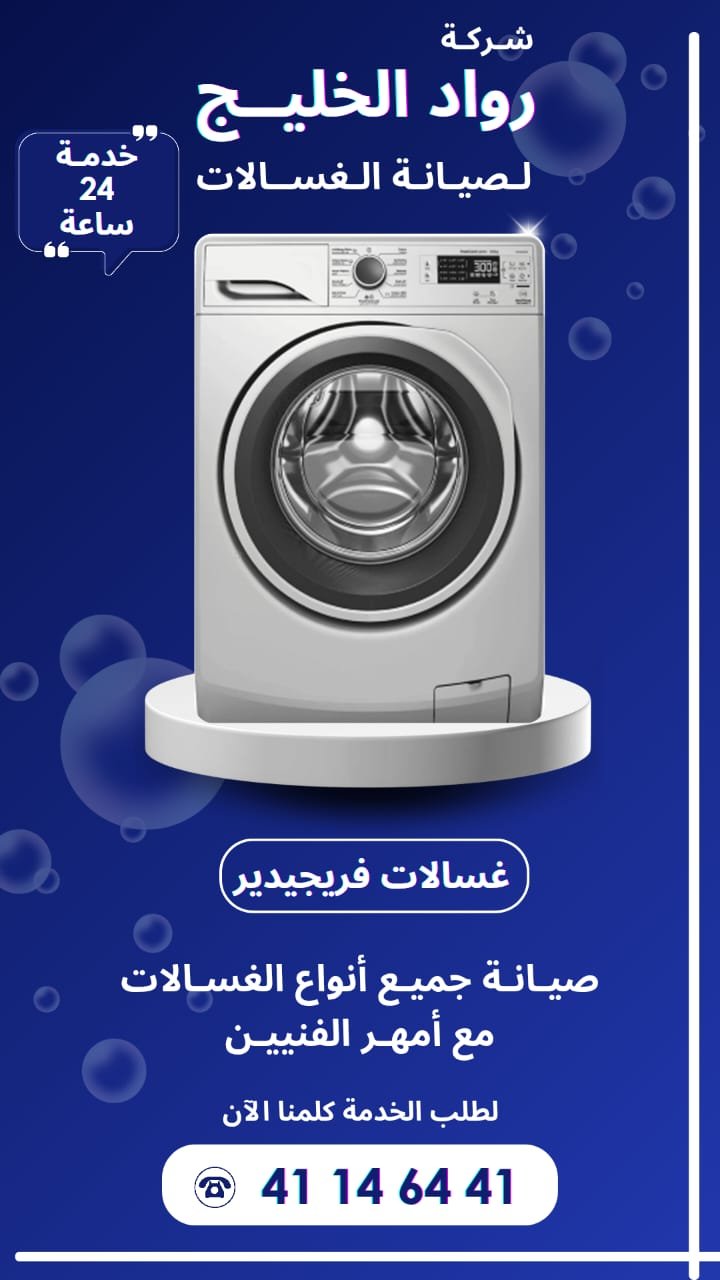
Automatic Washing Machine Repair in Mubarak Al-Kabeer – 24-Hour Service
The automatic washing machine is one of the most used appliances in the home, and any malfunction in it can disrupt the entire household routine. In Mubarak Al-Kabeer, immediate repair services and washing machine support are available around the clock to ensure your comfort. Choosing the right service center and a trustworthy technician makes a big difference in the quality of service and the speed of execution.
The Impact of Hard Water on Automatic Washing Machine Performance
In areas like Mubarak Al-Kabeer in Kuwait, hard water is one of the biggest challenges faced by automatic washing machine owners. Hard water refers to water that contains high levels of calcium and magnesium. These components accumulate over time inside the washing machine parts and cause many problems that reduce efficiency. Many people complain that the washer no longer cleans properly, becomes slow, or makes strange noises—and most of this is often caused by limescale buildup inside the pipes, heater, and pump.
As you use the washing machine daily, the buildup happens gradually without you noticing. But after a while, you’ll start seeing:
- Laundry comes out not clean enough despite using the same detergent.
- Bad odors coming from inside the washer.
- The machine begins making loud noises during operation.
- Wash cycles take longer than usual.
- The water heater weakens and doesn't reach the required temperature.
- White residues accumulate inside the detergent drawer.
- Laundry shows white or faded spots due to reaction with limescale.
- The pump jams or weakens in draining.
- Fabrics begin to deteriorate quickly after washing.
- Over time, electricity and water bills increase due to the extra effort required.
Quick Summary:
Hard water causes technical issues, affects washing quality, and accelerates the damage to vital components like the heater and pump.
What’s the Solution? How Can You Avoid These Problems?
The solution lies in several practical steps that you can follow—even if you're not a technician:
- Use special water filters at the washing machine’s water inlet.
- Clean the washer regularly using descaling agents.
- Run an empty hot water cycle with white vinegar once a month.
- Replace water hoses at least once a year if you notice buildup.
- Avoid low-quality detergent—it increases deposits.
- Monitor and clean the detergent drawer regularly.
- Always use the appropriate amount of detergent.
- Have a technician inspect the heater and pump every 6 months.
- Don’t ignore strange noises or performance changes.
- Choose a technician who has experience dealing with hard water issues.
Final Advice:
If you live in an area like Mubarak Al-Kabeer, don’t wait until your washer completely breaks down. Preventive maintenance and early action against hard water buildup will save you a lot of effort and expenses later on. Remember: a technician who understands how to deal with hard water will help you preserve your machine for many years without trouble.
How Do You Know Your Washer Needs a Deep Internal Cleaning?
With the heavy daily use of washing machines—especially in areas like Mubarak Al-Kabeer—residues from dirt, detergents, and hard water gradually build up inside parts of the washer without being immediately visible to the user. But over time, the machine begins showing clear signs that it needs deep internal cleaning. Ignoring these signs can cause serious issues and reduce both the machine’s efficiency and lifespan.
Many people mistakenly believe that the washer cleans itself during each wash cycle—but that’s not true. Dirt and deposits accumulate in areas where water doesn’t directly reach—like the inner drum, detergent drawer, pump, and internal pipes.
How Do You Know the Washer Needs Cleaning?
There are clear signs to watch for, such as:
- Bad or musty smells coming from the washer even when empty.
- Detergent residue or dirt remaining on clothes after washing.
- Long washing cycles or sudden stops for no clear reason.
- Water drains slowly or stays pooled in the drum.
- The machine becomes louder than usual, as if something is stuck.
- Black spots or mold appear around the door seal or detergent drawer.
- Clothes don’t feel as clean or come out smelling bad.
- Error codes or malfunction alerts appear on the screen (in modern models).
- Water stays cold in hot water programs.
- Excess foam builds up in the drum even with reduced detergent.
Quick Summary:
If you notice any of these signs, your washer likely has internal buildup and needs deep cleaning—either by you or by a professional.
What Can You Do to Clean the Washing Machine from the Inside?
You can follow regular cleaning steps on your own—some are simple and very effective:
- Run an empty wash cycle at 90°C and add two cups of white vinegar.
- After that cycle, run another one with hot water and half a cup of baking soda.
- Clean the inner door seal using a brush and cleaning paste or diluted vinegar.
- Remove the detergent drawer completely and wash it under water with an old toothbrush.
- Clean the filter at the bottom of the washer (usually behind a small panel).
- Ensure the drain hose is clean and not blocked in any way.
- If you use strong detergents or a lot of fabric softener, reduce the amount—they leave behind residue.
- Don’t close the washer door immediately after a wash—leave it slightly open to let internal parts dry.
- Use specialized cleaning products sold in stores that remove limescale and bacteria.
- If you’re still not satisfied with the result, contact a professional washing machine technician to clean the internal components thoroughly.
Important Note:
Even if you don’t notice visible problems, it’s best to clean the inside of the washer every 2 to 3 months—especially if you’re using hard water or running the machine multiple times daily.
A washer that cleans itself, cleans your laundry. Ignoring its cleaning needs leads to larger issues like pump or heater failure—or even internal part damage that will cost you a lot.
Most Common Motor (Motor) Failures and How to Detect Them
The washing machine motor—often called the “heart” of the machine—is responsible for all movement, spinning, and rinsing. In machines like Frigidaire or any advanced brand, the motor is designed to deliver high performance and efficiency—but over time, it still suffers from faults and issues that require early detection and quick repair.
With daily use, the motor endures heavy pressure, especially if you overload the machine or make usage mistakes like unbalanced loads. This is where problems start—either gradually or suddenly.
What Are the Most Common Motor Issues in Washing Machines?
Here are the most frequent problems people encounter, which usually indicate a motor fault:
- The washing machine doesn’t spin at all, even though power is supplied.
- Very slow spinning, even with the high-speed spin program selected.
- Clicking or buzzing noises from inside the washer during operation.
- The machine suddenly stops mid-cycle without warning.
- A faint burning smell appears a few minutes after starting the washer.
- Clothes come out too wet even after the spin cycle finishes.
- Strong, annoying vibrations during spinning—sometimes shaking the entire washer.
- Error messages on the screen in some modern models (codes related to the motor).
- The drum is stuck or doesn’t rotate at all.
- The area around the motor feels hot after running the machine.
Quick Summary:
Any of these symptoms means the motor may need repair or replacement—and delaying action can lead to further damage in other parts.
What to Do If You Suspect a Motor Issue?
Motor problems must be handled professionally, as trying to fix them without expertise can make things worse. However, you can start with these steps:
- Immediately unplug the washer if you hear odd sounds or smell burning.
- Don’t try to restart it before getting it inspected.
- Check the power supply and outlet—sometimes the issue is electrical, not mechanical.
- Try rotating the drum manually (if possible) to see if it moves freely.
- Contact a professional washing machine technician with motor repair experience.
- Don’t let any technician replace the motor without a full diagnosis.
- Ask the technician if original spare parts for the motor are available.
- If the motor is replaced, ensure you receive a written warranty for the part and the service.
- Ask the technician to inspect related components like cables, sensors, and control boards.
- Don’t use the washer for heavy loads or blankets without using a designated program—this stresses the motor.
Important Note:
Many people assume that sudden stoppage means the motor is totally ruined—but sometimes the issue is minor, like a loose wire or faulty capacitor, which can be fixed at low cost if discovered early.
That’s why it’s important to monitor the machine’s sound, performance, and washing results. If you notice anything unusual—don’t wait. Early maintenance saves you from replacing expensive parts—or the entire washer.
Advantages of Regular Maintenance vs. Post-Breakdown Repair
In many homes across Kuwait, people ignore washing machine maintenance until a major issue occurs. That’s when the struggle begins—finding a technician, ordering spare parts, and facing unexpected high costs. But let’s ask: what’s the difference between regular maintenance and emergency repairs? The answer is simple—and saves you time and money.
Regular maintenance means checking your machine periodically—even when there’s no visible problem—and having a technician inspect and ensure everything is functioning correctly. This is especially important for advanced models like Frigidaire, which include sensitive technologies and are used daily.
Benefits of Regular Maintenance:
- Reduces unexpected breakdowns that mess up your schedule and increase stress.
- Extends the washer’s lifespan—so it doesn’t fail after 4 or 5 years.
- Ensures consistent wash quality and excellent cleaning results.
- Protects the motor and heater from wear due to buildup or overuse.
- Detects small problems before they escalate into costly repairs.
- Saves electricity bills—because the washer works efficiently.
- Reduces the need for expensive or hard-to-find spare parts.
- Keeps you safe electrically—since washers contain sensitive connections.
- Protects your clothes from damage due to incorrect temperature or drum rotation.
- Helps technicians track the washer’s history for faster future diagnosis.
What Does Regular Maintenance Usually Include?
A professional technician will usually perform the following during maintenance visits:
- Check wiring and internal electrical connections.
- Measure motor performance and temperature.
- Ensure the heater is clean and free of limescale.
- Clean filters and drains from any debris.
- Examine water pressure and drainage performance.
- Inspect the control board and electronics.
- Test a full wash cycle to verify all stages are working properly.
What Happens If You Don’t Maintain It?
- Sudden failure during important laundry or holidays.
- Waiting days for a technician during peak season.
- Paying more than the original cost of routine maintenance.
- Needing to replace rare or imported parts.
- The washer may be ruined entirely—and you’ll have to buy a new one!
- Clothes may get damaged due to overheating or poor spin cycles.
Best Maintenance Schedule:
If the washer is used daily, perform light monthly maintenance yourself (cleaning the filter, checking detergent drawer, running a cleaning cycle), and hire a professional every 6 to 12 months depending on usage. Always save the contact of a certified technician—so you’re not stuck when needed.
Key Summary:
Regular maintenance is like an insurance policy for your comfort. It saves time, money, protects your machine, and gives you peace of mind every time you turn it on. Don’t wait until it breaks—prevention is always cheaper than cure.
Early Signs That Indicate the Need to Replace Washing Machine Parts
It’s normal for any home appliance to go through wear and tear over time. But when it comes to the automatic washing machine, things are different. It’s part of your daily routine, and any malfunction can cause major stress and disruption at home. That’s why you must pay attention to early signs that show a part inside the washer is reaching the end of its life and needs replacement.
What many people don’t know is that the washer rarely breaks down suddenly. It always sends “small warnings” in the form of unusual noises, strange behavior, or performance issues. If you catch these signs early, you can avoid major damage or costly repairs.
Signs That Indicate Internal Malfunctions and Need for Part Replacement:
- Clicking or grinding sounds when the washer starts or during spinning.
- Water remains inside the drum and doesn't drain completely even after the cycle.
- Clothes come out too wet after every cycle, as if the washer didn’t spin properly.
- A faint burning smell coming from the washer, especially during spinning or heating.
- Wash programs stop suddenly, or the washer turns off and on by itself.
- Excessive vibration during operation—as if the washer is moving from its place.
- A light or error symbol on the screen that doesn’t go away, even after restarting.
- Unstable water temperature during washing, or water doesn't heat at all.
- Constant annoying humming noise, especially at startup.
- Water leakage from under the machine or from the front door seal.
Each of these signs doesn’t mean the washer is completely broken—but it’s a message from the machine saying: “Something is wrong, take action now.”
Most Common Parts That Wear Out and Cause These Issues:
- Drain Pump: When it doesn’t discharge water properly, or you hear clicking while it’s trying to work.
- Motor Belt: If it’s loose or broken, the washer doesn’t spin properly or makes loud noise.
- Temperature Sensor (Thermistor): Gives wrong readings, causing incorrect water temperature or faulty programs.
- Control Board: Responsible for all washing commands. If it fails, programs glitch or stop.
- Water Inlet Valve: If clogged, water doesn’t enter correctly, and the washer may stop before filling.
- Drum Bearings: Cause loud grinding noise, especially during spin.
- Start Capacitor: If faulty, the motor won’t start spinning.
- Door Seal (Gasket): If cracked or worn, it leads to water leaks or pressure problems during wash.
Every part has a lifespan, and excessive use or environmental factors like humidity or hard water can reduce it.
How to Know if That Part Is Really the Cause?
You don’t need to be a technician to notice changes—just a bit of attention helps:
- Listen to the washer’s sound from start to finish.
- Monitor washing results—are clothes clean and dry as before?
- Check if programs finish on time or take longer than usual.
- Do you notice unusual smells or heat from one side of the machine?
- Is there water around or under the washer?
If you suspect any of these signs, don’t wait until the machine stops completely. Call a specialized technician and describe the issue. Let them inspect the suspected part and explain whether it needs replacing or just cleaning or a small adjustment.
What to Do Before Replacing Any Part:
- Ask the technician to explain the part’s name and its function.
- Ask to see the old part if it’s indeed damaged.
- Make sure the new part is original and matches your washer’s brand.
- Get a warranty on the new part—at least 3 months.
- Ask if installation is included in the cost or if there’s an extra fee.
Always make sure you go through a certified repair center—especially if your washer is a Frigidaire or any global brand. Certified technicians know every detail about the machine and can replace parts safely without damaging other components.
Final Note:
Sometimes, ignoring a small sign can lead to a costly malfunction. You don’t need to wait for a full breakdown. Pay attention early and keep a regular maintenance schedule. Remember: replacing a part at the right time protects the entire machine and extends its life.
Practical Tips to Extend the Lifespan of Your Washer in Mubarak Al-Kabeer
The automatic washer is one of the most essential home appliances—used daily, especially in areas like Mubarak Al-Kabeer, Kuwait, where families depend on it heavily. But what many don’t realize is that the lifespan of any device is directly linked to how it’s used. The more care you give, the fewer problems you’ll face.
This section is dedicated to showing how you can prolong your washer’s life without needing to contact a technician all the time.
Here are the most important practical tips—always recommended by certified washing machine technicians in Kuwait:
Best Practices:
- Choose the Right Location
Place the washer in a dry area away from direct sunlight to reduce humidity effects on the body and electronics. - Proper Stabilization
If the washer is not balanced on the floor, it will shake during operation—damaging the motor, drum, or even the washer’s base over time. - Regular Filter Cleaning
The filter collects dirt and lint. If left dirty, it clogs the drain system and affects performance. - Avoid Overloading
Each washer has a load capacity. Overloading stresses the motor and belt, and clothes won’t come out clean. - Use Proper Detergent for Automatic Machines
Regular detergents produce excess foam—causing blockages and harming sensors. - Monthly Cleaning Cycle
In areas like Mubarak Al-Kabeer, the water has limescale. Periodic cleaning removes buildup and maintains machine efficiency. - Leave the Door Open After Use
This simple step prevents moisture buildup and bad smells, especially in humid weather. - Check Water Hoses
Fill and drain hoses wear over time. Check them every few months. Replace at first sign of damage. - Use the Right Program for Each Fabric Type
Not all clothes need long or strong cycles. Using the right program protects the washer and saves power and water. - Unplug the Machine When Not in Use
If you’re not using it for a while—especially when traveling—unplug it to protect the control board from electrical surges.
Quick Summary:
- Don’t underestimate location or setup—they’re essential.
- Routine cleaning is critical for efficiency.
- Overloading causes more harm than good.
- The right detergent makes a huge difference.
- Preventive maintenance is always cheaper than fixing a major fault.
What Happens If You Neglect Your Washer?
Many customers in Mubarak Al-Kabeer go to repair centers only after facing issues that could’ve been avoided. For example, a recurring case faced by a washing machine technician was caused by using the wrong detergent—creating excess foam that damaged the water level sensor. The repair cost was nearly half the price of a new washer!
Sometimes you hear a weird sound or notice the machine doesn’t spin like before—and you ignore it. Over time, that small issue grows into a bigger problem, like a broken belt or a burnt motor. If you had called a technician earlier, it could’ve been resolved at a low cost.
Final Advice:
Take care of your washer like a long-term investment. Routine maintenance, simple follow-up, and avoiding misuse help you prevent major issues. And if you suspect a fault, don’t hesitate to contact a professional automatic washer technician—because early intervention can prevent major damage.
Conclusion
Maintaining your automatic washing machine regularly doesn’t just preserve its performance—it keeps you out of costly breakdowns. By following the practical tips mentioned here, you can extend the lifespan of your machine and reduce the need for constant technician visits. And don’t forget—if you notice any fault or strange sound, contact a certified repair center in Mubarak Al-Kabeer to receive trusted service and original spare parts that give you peace of mind.
Frequently Asked Questions (FAQs)
How often should I clean the washer filter?
It’s recommended to clean the washer filter once a month to maintain proper drainage and prevent bad odors.
Is a monthly cleaning cycle really necessary?
Yes—especially in areas with hard water like Mubarak Al-Kabeer—it prevents buildup and keeps washing efficiency high.
What’s the best detergent for automatic washers?
Detergents specifically designed for automatic machines—preferably low-foam types to avoid harming internal sensors.
When do I need a washing machine technician?
If you notice unusual sounds, water leakage, or spin cycle failure—these are signs that require a professional.
Can overloading the washer cause damage?
Absolutely—overloading stresses the motor and drum and may lead to quick wear or poor cleaning.
How do I know if the hose is damaged?
If you see constant dripping, cracks, or water leaks from the back—these are signs it needs immediate replacement.
Keywords:
- Automatic washing machine repair
- Washing machine technician Mubarak Al-Kabeer
- Washer maintenance in Kuwait
- Internal washer cleaning
- Washing machine motor issues
- Washer repair service
- Replacing washer parts
- Routine washer maintenance
- Electrical issues in washers
- Washer not spinning
- Guaranteed washing machine technician
- Kuwait washer repair services
- Original washer spare parts
- Noisy washing machine
- Washer not working
- Washer repair costs
- Washer internal cleaning
- Using proper automatic detergent